How to succeed as a Digital Marketer in a Multinational Robotics Industry
Speaking at Storyblok JoyConf in New York: what I told a room full of content and tech leaders about marketing inside an engineering-led robotics company.
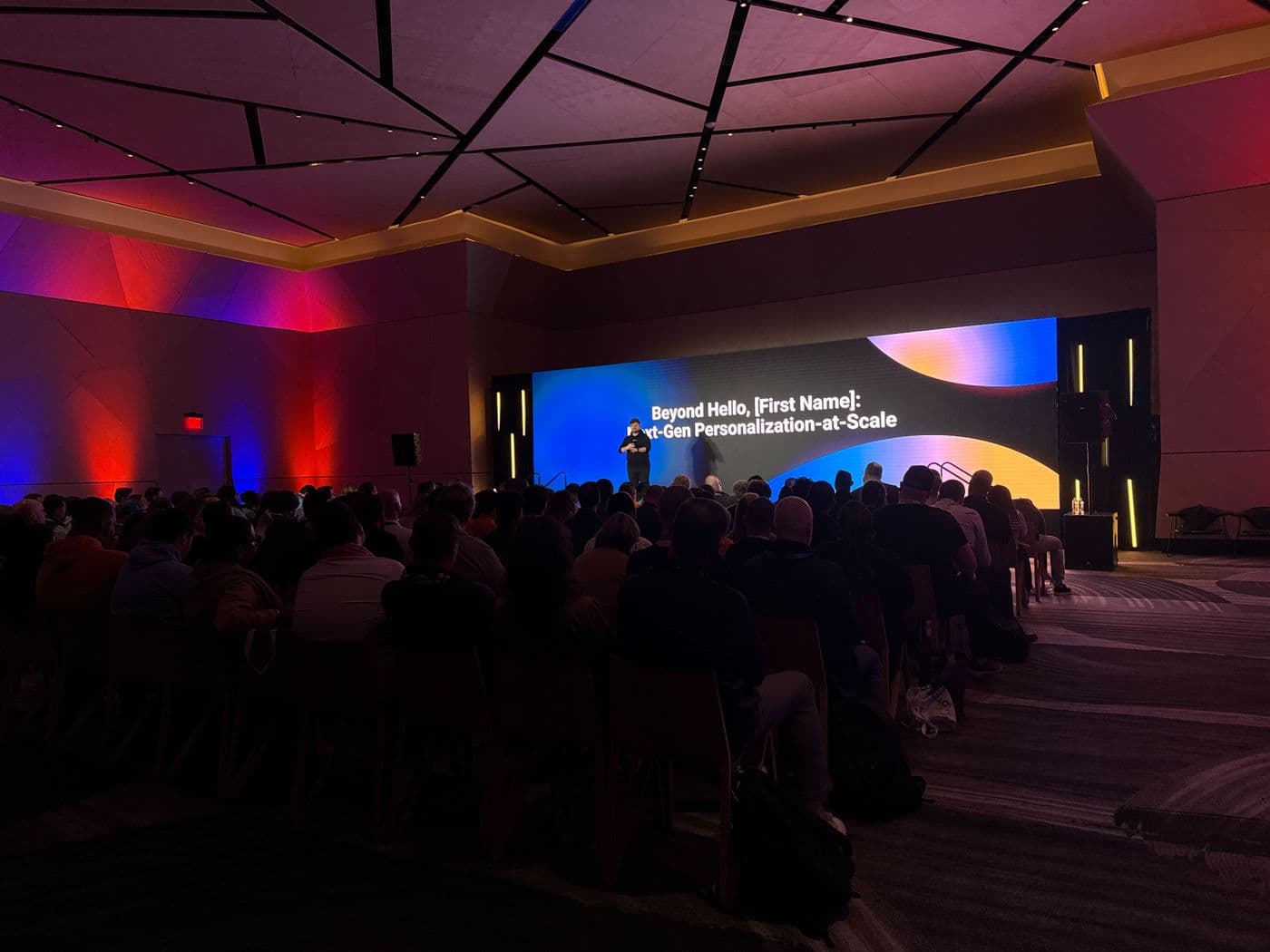
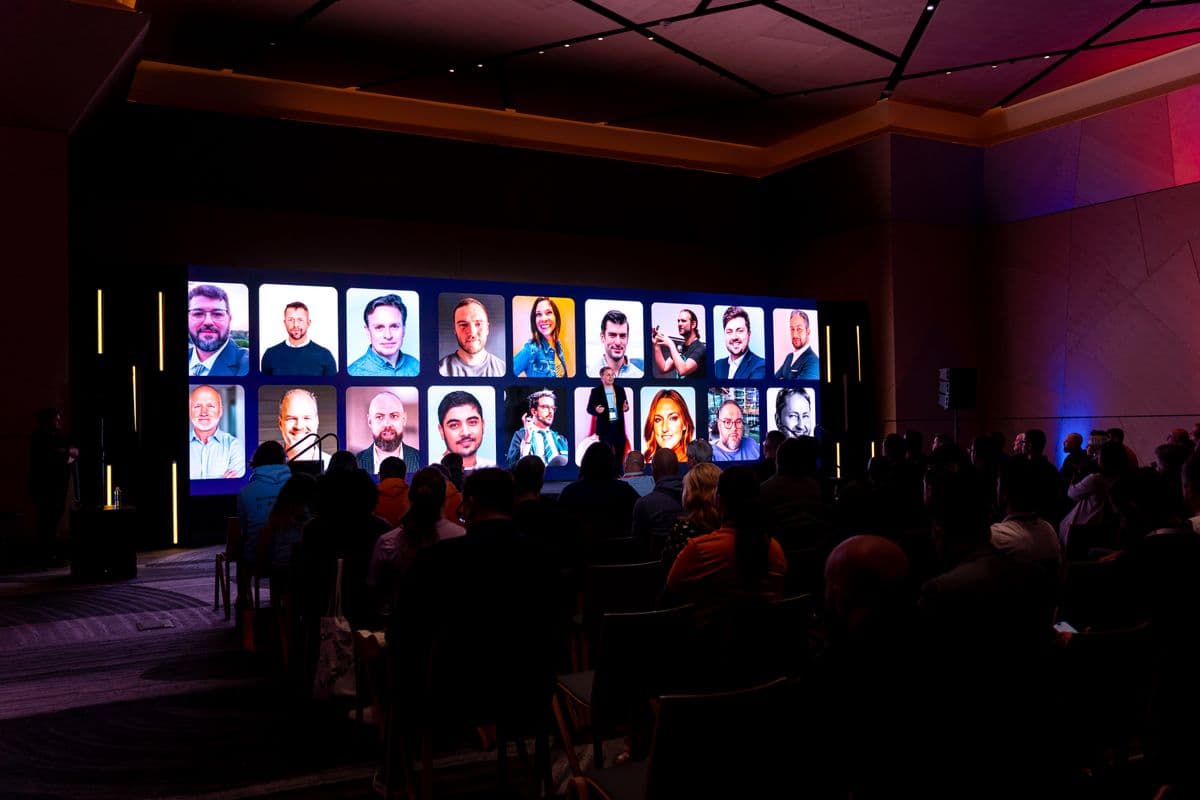
On November 4, 2025, I spoke at Storyblok's JoyConf in New York, a gathering of content, tech and digital leaders held at The William Vale in Williamsburg, Brooklyn. My session ran in the Franklin Room East and covered something I have lived from the inside: what it actually takes to be an effective digital marketer inside a robotics company full of engineers.
The core problem: marketing in an engineering culture
Robotics companies are built by engineers, for engineers, and that shapes everything. Product decisions, sales motions, even internal language. When marketing enters this environment, the default assumption is that it is a cost center at best and a distraction at worst. The session was about how to flip that perception and earn a seat at the table by speaking the language the room already uses: data, systems, and ROI.
The CMS piece was central to this argument. A modern CMS is not a publishing tool. It is the primary sales channel for a technical, long-cycle B2B product. Making that case to an engineering organization requires showing, not telling: traffic data, conversion rates, time-to-publish metrics, market coverage. Numbers that translate into pipeline, not impressions.
Operating across 15+ languages with a lean team
The second half of the session covered the operational model we built at Teradyne Robotics to run the website for Universal Robots and Mobile Industrial Robots across more than 15 languages on a single platform. Multilingual scale is an infrastructure decision, not a content decision, and the hreflang discipline behind it is where most teams lose the compounding. Get the architecture right once and adding a new market becomes a configuration task, not a project.
Storyblok's component-based approach made this possible. One component library, one design system, deployed across markets and languages without forking the codebase. The team in each market operates the CMS without needing a developer, which compresses time-to-publish from weeks to hours.
The room at JoyConf was full of people building similar systems at other companies, which made for a genuinely useful conversation after the session. If any of it resonated with the situation you are in, the best next step is a conversation.